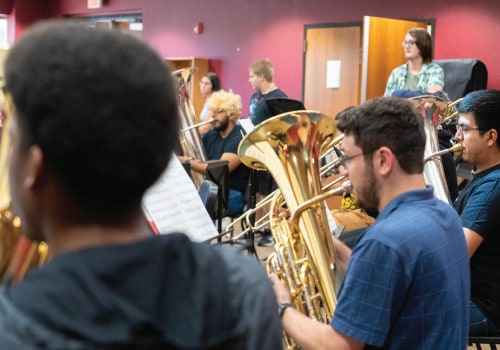
Community bands, youth orchestras, school ensembles, church music groups, and local performing arts organizations play an important role in enriching community life. Audiences often focus on the performances themselves, appreciating the talent and dedication of musicians without seeing the extensive preparation that takes place behind the scenes. One of the most overlooked aspects of managing community music groups is the challenge of storing and transporting instruments and equipment. While rehearsals and performances receive much of the attention, the logistics involved in protecting, organizing, and moving valuable musical assets can require significant planning, resources, and coordination.
Unlike many types of equipment, musical instruments are often highly sensitive to environmental conditions and physical handling. String instruments, woodwinds, brass instruments, percussion equipment, amplifiers, music stands, sound systems, and other accessories each have unique storage requirements. Community organizations must often manage these assets with limited budgets while ensuring that instruments remain in good condition and readily available for rehearsals and performances.
Storage Challenges for Growing Organizations
One of the most common difficulties involves finding appropriate storage space. Many community groups do not own dedicated facilities and instead rely on schools, churches, community centers, or shared performance venues. These locations may have limited storage capacity, forcing organizations to find creative solutions for housing equipment between events.
Proper storage conditions are especially important because instruments can be vulnerable to humidity, temperature fluctuations, dust, and accidental damage. Wooden instruments may warp when exposed to excessive moisture, while electronic equipment can be affected by environmental extremes. Community groups must carefully consider storage environments to protect their investments and reduce maintenance costs over time.
As organizations grow and acquire additional equipment, storage needs often become more complex. Larger ensembles may require secure spaces capable of accommodating bulky percussion instruments, sound systems, staging materials, and transportation cases. Managing these resources effectively requires detailed inventory systems and clear organizational procedures.
Transportation Between Rehearsals and Performances
Transportation presents an entirely separate set of challenges. Community groups frequently travel between rehearsal locations, performance venues, festivals, competitions, and special events. Moving instruments safely requires more than simply loading them into vehicles. Many items are fragile, expensive, and difficult to replace, making careful handling essential throughout the transportation process.
Large instruments such as timpani, drum kits, double basses, keyboards, and audio equipment often require specialized vehicles or trailers. Coordinating volunteers, drivers, loading crews, and schedules can become a significant undertaking, particularly for organizations operating with limited staff. Even smaller ensembles may face logistical challenges when transporting equipment to multiple venues within a short period.
The principles of organization and asset protection seen in professional logistics operations are often valuable in these situations. Companies such as Mountain Movers demonstrate the importance of careful planning, inventory management, and secure transportation when handling valuable property. Similar approaches can help community groups reduce risks and improve efficiency when managing musical equipment.
Protecting Valuable Community Resources
For many organizations, instruments represent years of fundraising efforts, donations, and community support. Damage, loss, or theft can have lasting financial consequences. As a result, risk management becomes an important part of equipment transportation and storage planning.
Many groups implement inventory tracking systems, labeling procedures, transportation checklists, and maintenance schedules to ensure accountability. Insurance coverage may also be necessary to protect valuable assets during transit and storage. These precautions help safeguard resources that are essential to the organization's ongoing activities.
Supporting Successful Performances
Although audiences rarely think about instrument storage and transportation, these logistical functions play a crucial role in the success of community music programs. Reliable systems help ensure that musicians have access to the equipment they need, rehearsals occur as scheduled, and performances proceed without unnecessary disruptions.
Ultimately, managing instruments involves far more than finding a place to store equipment. It requires strategic planning, resource management, and ongoing attention to detail. By addressing these challenges effectively, community groups can focus on their primary mission—bringing people together through music while preserving the valuable instruments and equipment that make those performances possible.